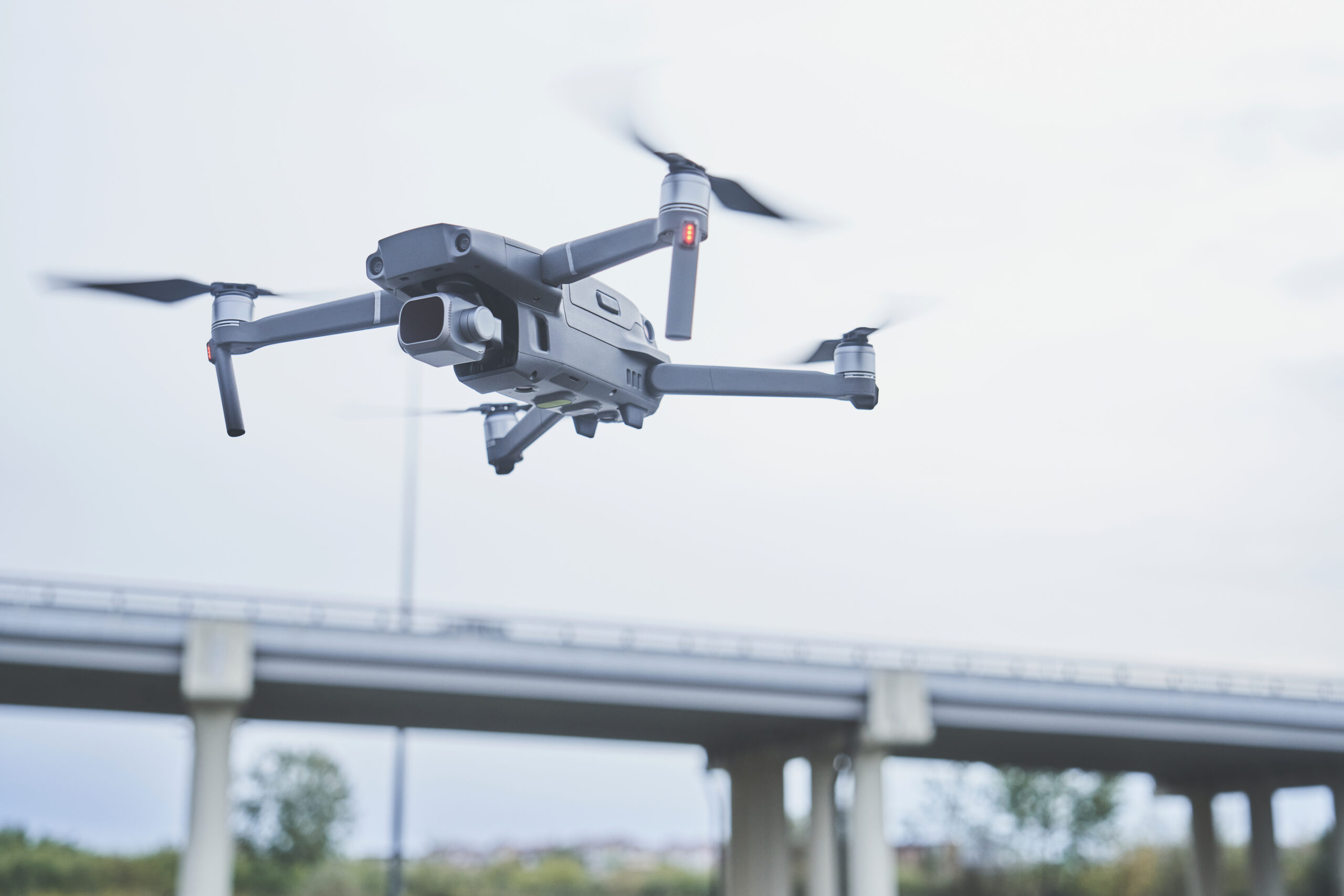
Emerging Drone Threats and Comprehensive Security Risk Overview
As drone use expands, security risks increase due to their low cost and ease of misuse, threatening aviation, critical infrastructure, and public safety. Global incidents show that traditional security measures are insufficient, driving the need for technology-driven drone detection and countermeasure solutions.
Emerging Drone Threats
Terrorist Attacks
Drones can be used to carry explosive devices or hazardous payloads to attack public areas or critical infrastructure
Espionage and Illegal Surveillance
Drones enable covert aerial reconnaissance and the collection of sensitive information from military bases, government facilities, or commercial sites
Illegal Transportation
Drones are increasingly used to transport drugs and contraband, bypassing conventional security controls
Aviation Safety Disruption
Unauthorized drones entering airport airspace pose collision risks to aircraft and threaten flight safety
Environmental and Ecological Damage
Drones may be used for illegal hunting, logging, or other activities that harm natural resources
Comprehensive Analysis of Drone Threats
Economic Losses
Drone incidents can result in airport closures, flight delays, and cancellations, causing substantial financial losses
Public Safety and Social Panic
Drone disruptions at large events or public venues can trigger widespread panic and disorder
Environmental and Resource Risks
Drones may facilitate illegal monitoring and exploitation of environmental and natural resources
National Security Risks
The military use of drones for intelligence gathering or precision attacks presents escalating national security concerns
Case Studies of Drone Threats
Gatwick Airport Drone Incidents (2018–2019)
Unauthorized drones caused repeated airport shutdowns, affecting over 100,000 passengers and exposing vulnerabilities in aviation security
Middle East Energy Infrastructure Drone Attacks (2019)
Drone attacks on major oil facilities led to significant production losses and global energy market disruptions
Exposure of Critical Infrastructure
Airports, oil fields, power facilities, and transportation hubs have become high-value targets for drone threats
Escalation of Global Security Awareness
These incidents have accelerated international efforts to reassess drone threats and deploy counter-drone technologies
Overview of Drone Detection and Deterrent Technologies
Drone defense requires an integrated approach, as no single detection or countermeasure technology can address all threat scenarios.
Drone Detection Technologies
Drone detection uses RF, electro-optical, acoustic sensors, and radar. While RF, optical, and acoustic sensors provide complementary capabilities with range and environmental limits, radar delivers all-weather, long-range, multi-target detection and serves as the core system.
Drone Countermeasure Technologies
Drone countermeasures include RF jamming, GPS spoofing, high-power microwave systems, net capture, and high-energy lasers, each with different effectiveness, safety, and operational constraints.
Integrated Detection and Countermeasure Systems
Integrating radar-based detection with coordinated countermeasures enables early warning, accurate tracking, and improved drone protection.
Integrated Drone Detection Solution
EchoVista offers a radar-based solution integrating RF and electro-optical sensors for all-weather drone detection and early warning. The system provides long-range tracking, accurate identification, and reliable airspace protection, with flexible integration for counter-drone and third-party systems. For more information, please contact us.